
Home/ Skin Concerns/ Keloid & Raised Scars
Skin Concern · Scars
Keloid Scar Treatment in Korea: An Honest Guide
Quick answer: A keloid is a raised, firm scar that grows beyond the original wound, while a hypertrophic scar stays within it. Both are usually managed medically with steroid injections, silicone, pressure and other doctor-directed therapies. AMRED Clinic in Cheongdam, Seoul has not published a dedicated keloid program; a doctor can assess your scar at consultation and advise whether specialist care or one of AMRED's scar options fits.
- At AMRED: no published keloid program; scar assessment at consultation
- AMRED's published scar option: Potenza RF microneedling (Pores & Scars tip), mainly for acne-type depressed scars
- Standard keloid care: steroid injections, silicone gel or sheets, pressure and other doctor-directed treatments
- Caution: needles, heat and surgery can trigger new keloids in prone skin
- Results: keloids are managed over time and can recur
- Planning: 1:1 doctor consultation; specialist referral where appropriate
What are keloids and raised scars?
When skin heals, it lays down collagen to close the wound. In some people that process overshoots. A hypertrophic scar is raised and often red but stays within the borders of the original injury and may flatten over time. A keloid keeps growing beyond those borders, can itch or hurt, and rarely regresses on its own.
Keloids are more common on the earlobes, jawline, chest, shoulders and upper back, and after piercings, acne, surgery or even minor scratches. They are also more frequent in people with darker skin and in those with a family history.
What causes keloids, and how are they usually treated?
Keloids reflect a genetic tendency toward excessive collagen production, triggered by injury, skin tension and inflammation. Treatment aims to flatten, soften and relieve symptoms, and usually combines approaches:
- Corticosteroid injections – the most common first-line option, repeated at intervals
- Silicone gel or sheets and pressure – used for prevention and maintenance
- Cryotherapy or vascular lasers – to flatten the scar and reduce redness
- Surgical removal – generally combined with other therapy, because keloids often return after excision alone
Because recurrence is common, keloid care is ideally led by a dermatologist or scar specialist who can follow you over time.
Treatment options at AMRED (and what they are for)
- Potenza RF microneedling – AMRED's published option for enlarged pores and acne scars, using a dedicated Pores & Scars tip
- Acne scar removal – for depressed (atrophic) scars, which behave very differently from keloids
- Juvelook Volume – a PDLLA and HA collagen booster AMRED lists for acne scars and rough texture
- RF microneedling guide – how needle-based RF works and who it suits
Signs your scar may be a keloid
- A firm, raised scar spreading beyond the original wound
- Itching, tenderness or a pulling sensation
- A scar that keeps growing months after healing
- Raised scars after piercings, acne or minor injuries
- A personal or family history of keloids

How can AMRED help if you have a keloid?
Being clear about scope is part of good care. AMRED's published scar treatments are designed for depressed acne scars and texture, not for keloids, and AMRED does not present a keloid program.
- Honest assessment: a doctor examines the scar and explains whether it looks hypertrophic, keloid or atrophic.
- Risk awareness: if you are keloid-prone, the doctor will weigh whether needle- or heat-based treatments such as Potenza are appropriate anywhere on your skin.
- Right referral: for an active keloid, you may be advised to see a dermatologist or scar specialist for injections and long-term follow-up.
- Other concerns: if you also have acne scars, pores or texture issues, AMRED can plan those separately.
What to expect at a scar consultation
- History – how the scar formed, how long it has been growing and any previous treatments.
- Examination – the doctor assesses size, firmness, color and symptoms.
- Advice – an explanation of the likely scar type and appropriate care pathways.
- Plan or referral – a plan for atrophic scars at AMRED, or guidance toward specialist keloid care.
- Follow-up – English-language support if you have questions after your visit.
Keloid prevention and general scar care
- If you are keloid-prone, tell every doctor before piercings, surgery or cosmetic procedures
- Silicone gel or sheets are commonly recommended on new wounds and scars
- Avoid picking, scratching or repeatedly irritating healing skin
- Protect scars from the sun to limit darkening
Any scar that grows quickly, bleeds or changes unusually should be checked by a doctor.
Keloid & Raised Scars FAQ
Does AMRED treat keloids?
AMRED has not published a dedicated keloid program. A doctor can assess your scar at consultation and explain whether any of AMRED's options are appropriate or whether specialist keloid care is the better route.
What is the best treatment for keloids in Korea?
Keloids are usually managed with corticosteroid injections, often combined with silicone, pressure, cryotherapy, lasers or surgery with additional therapy. A dermatologist or scar specialist typically leads this care.
What is the difference between a keloid and a hypertrophic scar?
A hypertrophic scar is raised but stays within the original wound and may flatten over time. A keloid grows beyond the wound edges and tends to persist or recur.
Can RF microneedling remove keloids?
RF microneedling such as Potenza is mainly used for depressed acne scars and pores, not keloids. In keloid-prone skin, any needle-based treatment needs careful medical judgment because injury can trigger new keloids.
Can keloids come back after removal?
Yes, recurrence is common, particularly after surgery alone. That is why keloid treatment usually combines methods and continues with follow-up.
Can I book a scar consultation at AMRED in English?
Yes. Contact AMRED via WhatsApp (+82 10-2002-3118) or amredworld@gmail.com; consultation, booking and aftercare are supported in English.
Related treatments
- Acne scar removal – treatments for depressed scars
- Potenza RF Microneedling – AMRED's pores and scars device
- RF microneedling – how it works and who it suits
- Juvelook Volume – collagen booster for texture and acne scars
- CO2 Fractional Laser Alternatives – resurfacing options compared
AMRED Clinic Cheongdam
Design your treatment with an AMRED doctor
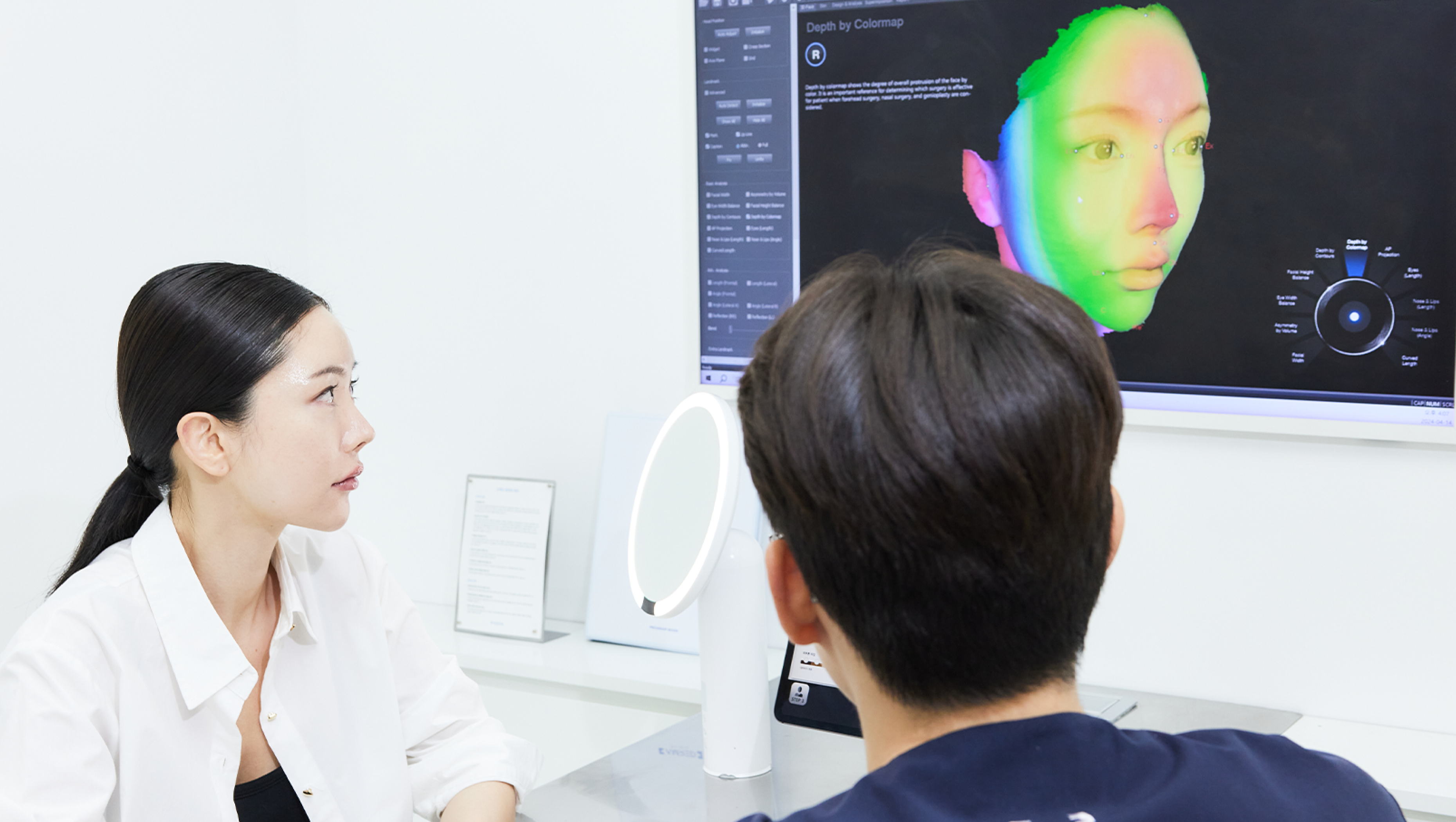
Every plan starts with EVE V 3D analysis and a 1:1 consultation. English support for international patients via WhatsApp and email.
Anti-Aging Center
· B1F/2F/4F Cheongjin Bldg., 731 Samseong-ro, Gangnam-gu, Seoul
Lifting Center & VIP Lounge
· 1F/2F, 725 Samseong-ro
~200 m from Cheongdam Station Exit 8 · Valet parking
Mon/Wed/Fri 10:00–19:00 · Tue/Thu 10:00–21:00
Sat 10:00–16:00 · Sun 10:00–18:00 · Lunch 13:00–14:00
Tel +82-2-543-3110 · Email amredworld@gmail.com